Sibford Scene Archive

Sibford Scene 484 June 2026

Click on the cover image to download the complete edition

A close up of a dog

Sibford Veterans FC Crowned BDLJ Champions

On Sunday 19th April, Sibford Veterans Football Club lifted the Banbury District and Lord Jersey Division 2 title — the club’s first piece of silverware in an official FA-sanctioned league for many years. A 2–1 win over Kenilworth Town Veterans sealed it with a game to spare, in what was the club’s very first season in the league.

It hasn’t been a straightforward journey. Just over a year ago, the team was playing in a loosely organised friendly league, but enjoyment levels were waning. After one particularly difficult afternoon, the club decided things needed to change. They joined a properly structured league, kept the spine of the squad, and added players from the village, surrounding areas, and a little further afield.

The result was nine league games played, eight won, one lost. Cup runs against higher-division opposition showed the team could more than hold its own. The title-decider itself was a nervy affair. Sibford went 1–0 down and were kept in the game by goalkeeper Mark Boyd, whose string of saves drew gasps from the touchline. After the equaliser, Munir Sanneh headed home the winner — his first ever headed goal — to spark wild celebrations.

Special thanks go to secretary Rob Parsons, player/sponsor Ryan Breslin from Cherwell Windows, and the families, friends and former managers who came to support throughout the season. The team plays its home games at Sibford School on Sunday mornings, and can usually be found celebrating (or commiserating) at the Wykham Arms afterwards.

New players and spectators are always welcome next season as the club looks to defend its title in the higher division.

Lee McCallum

A group of people in a field posing for the camera

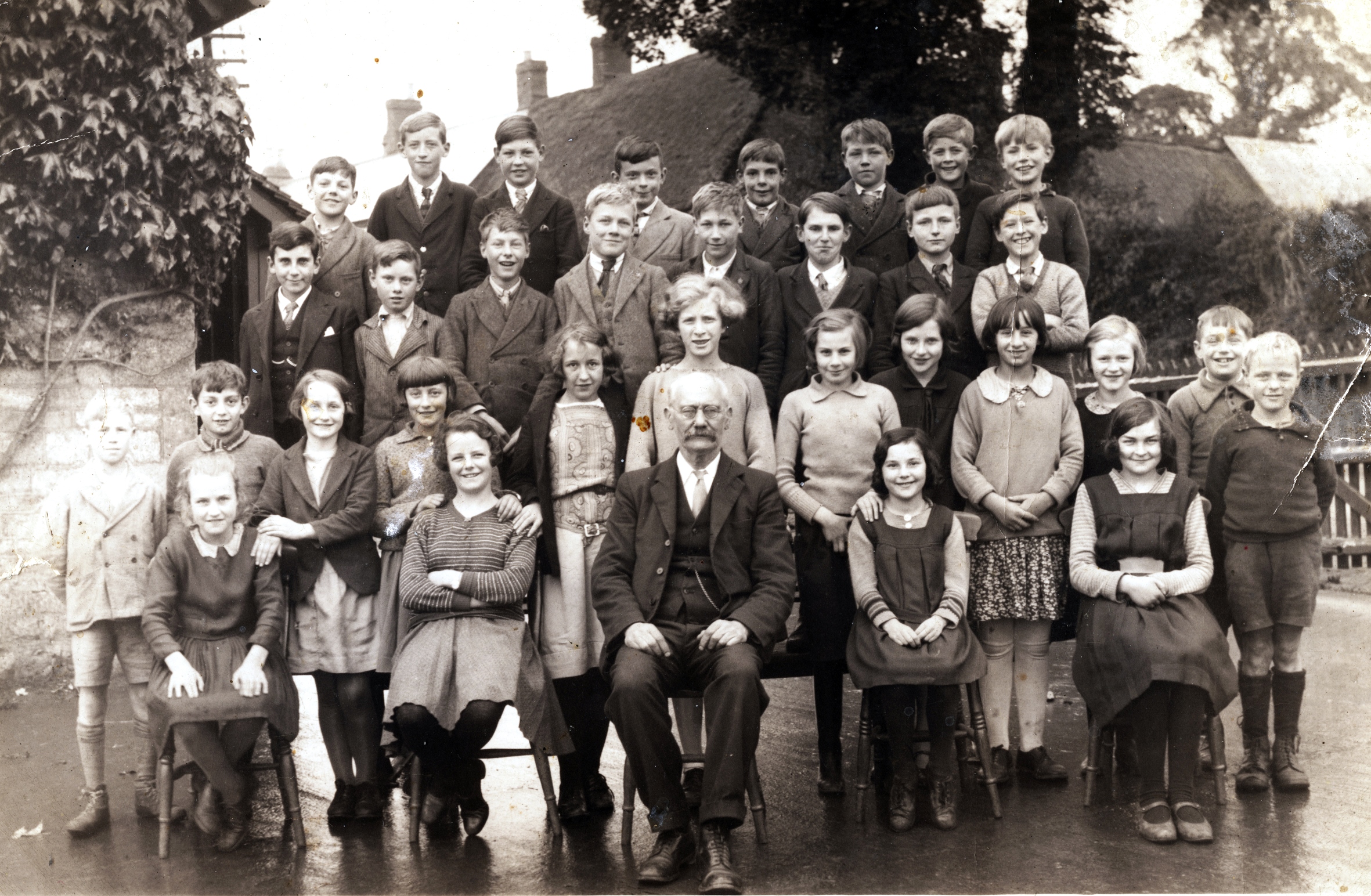
Our Village School - Part 4, 1935 to 1950

A group of people posing for a photoBy 1935 the village population had dropped in both villages – 301 in the Gower and 206 in the Ferris and the number of children in school had reduced to 74 even though the school leaving age had risen to fourteen years of age. Epwell still had its own village school at the time although its older pupils aged eleven and over, came to school in Sibford. The school building remained much the same as in 1900. The heating was just as ineffective with a temperature of 8oC being recorded at 10 o’clock on a winter morning. The installation of electricity was completed in 1935 – earlier than in many neighbouring villages, due mainly to the demands made by the Quakers at Sibford School. The staffing had increased to two assistant and one pupil teacher, in addition to the headmaster. There was less ill health recorded in the school registers due to fewer epidemics but attendance was still poor as children were expected to help with allotment and harvesting work.

As communication improved beyond the village through daily newspapers, the radio and a bus service, the importance of school as a place of education improved, resulting in better attendance. Lessons also took on a more attractive guise and the children were regularly taken out for nature walks, outside visits and there were area sports at Hook Norton, county sports at Kidlington and weekly visits to Bloxham for woodwork for the older boys and to North Newington for needlework for the girls. Classes were now divided more by age than ability with the introduction of differentiated lessons for the more or less able. The infant’s class ranged from 5 – 8 years of age, the middle class from 8 – 11, and the top class for those of over 11 up to 14 years.

In 1942 the children over 11 from Swalcliffe joined those from Epwell in coming to Sibford Gower Endowed School. This necessitated the running of a bus from Swalcliffe via Epwell to Sibford. With falling numbers on the school roll – there were only 40 on register, Epwell School was closed and children of all ages were bussed to the Gower school. A new canteen was built out of one of the cloakrooms and all pupils, bar one, stayed to school dinner and enjoyed the free school milk which had been introduced in 1938.

Maureen Hicks

Above, you may see one or two items of historical interest from this edition. To see the whole edition, click on the front-page image to download it as a pdf.